
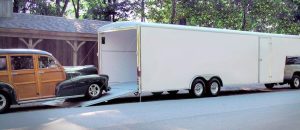
Hot shot auto transport is a special way to move vehicles using a pickup truck with a small car trailer instead of multi-level carriers. Instead of moving 8-10 vehicles simultaneously, hot shot transporting moves 1-3 vehicles at a time, often on shorter notice and with more direct routes. This transport method is usually considered when a car needs to be moved faster than usual and when the pickup or delivery location is not convenient for big trucks.
Though hot shot transport is not meant for taking the place of traditional vehicle transport, it does magic when flexibility and speed are more important than the cost.
Dealers, auction buyers, private sellers and people who need to move a car quickly, often choose this option when regular carriers can’t meet their needs.
How Hot Shot Auto Transport Works In Practice
The process is as follows:
- A shipper requests transport for a vehicle and specifies a pickup location, destination, vehicle type and desired timeframe.
- Instead of getting into a large scheduling list, the request is sent to a hot shot driver already on that route or who can quickly change their trip.
- After being assigned, the driver calls the shipper to work out the details of the pickup.
- At the pickup location, the vehicle is loaded onto the trailer.
- The car is secured with professional tie-down systems designed specifically for vehicle transport, not generic cargo straps.
After picking up, the driver usually takes a more direct route than a regular carrier. There are fewer stops, less loading and unloading along the way and fewer delays because there are fewer vehicles on board. Delivery often takes place in a shorter time, sometimes couple of days faster than other options.
Vehicles Commonly Transported by Hot Shot Shipping
Hot shot auto transport is suitable for a wide range of vehicles. It is used for cars such as sedans, coupes, hatchbacks and compact SUVs. This method of transportation is also used for bigger SUVs and pickup trucks, but their size and weight can affect the price and how the trailer is set up.
People often choose it for dealer trade-ins that need to get to their new location quickly, auction purchases that need to be picked up right away and private sales where the buyer wants their item right away. Many hot shot trailers have winches, so project cars that run or roll are also common.
Hot shot shipping is almost always open transport. Like regular open carriers, vehicles are exposed to the weather conditions and hazards on the road.
Hot Shot vs Standard Auto Transport
The main difference between standard and hot shot transport is in the size and timing. Standard carriers move up to 10 vehicles at once and rely on optimized routes for low costs. This makes them cost-effective but less flexible.
Hot shot shipping trades effectiveness for speed. Because the carrier is moving fewer vehicles, the cost per car is usually higher. The pickup window is usually shorter and the delivery routes are more direct. Hot shot shipping can be a good option for people who need to move a vehicle quickly or from a place that big carriers can’t easily get to.
Hot Shot Shipping vs Enclosed Transport
People often compare hot shot shipping to enclosed car transport. Enclosed carriers protect vehicles from the weather, debris on the road and visibility, making them perfect for high-value, exotic or show cars. But enclosed transport costs more and is harder to find.
Enclosed transport is rarely available with hot shot shipping, but fortunately, we are able to offer this option. The vehicle is moved openly, just like it would be on a regular open carrier. This level of protection is usually enough for daily drivers, dealer inventory and most used cars. Enclosed transport is still the best choice for rare or valuable cars.
How Hot Shot Auto Transport Pricing Is Set
The cost of hot shot auto transport depends on how far you drive, but other things can also change the price. Hot shot drivers have to pay for fuel and labor costs with fewer loads than big carriers, which can spread those costs out over many vehicles. This is why the cost per mile is higher.
Rates usually range from $1.25 to $2.50 per mile. Shorter routes usually cost more per mile, while longer routes may have lower per-mile prices but higher total costs.
The size of the vehicle is also important. Larger or heavier vehicles need more gas and might not be able to carry as many cars, which raises the price. Another important factor is how urgent the shipping is. The price will probably go up if you need car shipment right away.
Real-World Pricing Examples
For example, moving a sedan from Chicago to Detroit, which is about 280 miles, is a short-distance shipment that costs a lot of money. The cost of hot shot car shipping on this route is usually between $500 and $650, depending on when you pick it up.
It usually costs between $700 and $900 to move an SUV from Atlanta to Orlando, which is about 440 miles away, within a two-day pickup window.
Longer routes add a lot to the total cost. It costs between $1,600 and $2,200 to drive a pickup truck from Los Angeles to Denver, which is about 1,020 miles. The cost depends on gas prices and the time of year.
Picking up in a remote or rural area makes things more complicated. It can cost between $1,200 and $1,600 to move an auction car from a small town in Montana to Salt Lake City, which is about 650 miles away. This is because there aren’t many ways to get there and not many backhaul opportunities.
Factors That Affect The Cost
There are a number of things that affect the final price of hot shot auto transport. Distance is the most obvious thing, but it’s not the only one. The size, weight and condition of the vehicle are all important.
It costs more to have a non-running vehicle transported because they need extra equipment and time.
Geography also plays a role. Rural pickups, mountainous terrain and regions with harsh weather conditions tend to be more expensive. Seasonal demand affects pricing as well. During peak relocation seasons or winter months, rates often rise.
Fuel prices directly impact hot shot rates because fuel is a major expense for pickup-based transport. Changes in fuel costs are often reflected quickly in pricing.
Insurance and Safety
Good hot shot drivers have both commercial auto insurance and cargo insurance. Most of the time, cargo coverage is up to $100,000 per load, but this can vary by carrier. Before making a reservation, shippers should ask for proof of insurance and make sure that the coverage is active and enough for the vehicle being moved.
Hot shot shipments usually have fewer vehicles, which makes loading and unloading easier than with big carriers. Fewer stops and transfers lower the chance of problems with handling. But, like with any other type of vehicle transport, it’s very important to pick a carrier that has a lot of experience and is properly insured.
Advantages and Disadvantages of Hot Shot Auto Transport
The primary advantage of hot shot shipping is speed. Faster pickup times and more direct routes make it appealing when timing is important. Flexibility is another benefit, especially for locations that fall outside common carrier routes.
The main problem is cost. On a per-vehicle basis, hot shot shipping is usually pricier than standard open transport. It also does not provide weather protection, which may be a concern for certain vehicles.
Common Situations Where Hot Shot Shipping Makes Sense
Hot shot auto transport is frequently used for dealer trades, auction purchases, urgent relocations and private party vehicle sales. It is also popular for fleet repositioning when only a few vehicles need to be moved quickly.
Another common use case is for deliveries in rural areas. Hot shot drivers can step in when big carriers can’t turn off their main routes.
When Hot Shot Shipping May Not Be the Best Choice
Standard auto transport is often cheaper if money and timing are the most important things. Shipping multiple vehicles together usually works better for big carriers. Enclosed transport is still the best choice for vehicles that need full protection from the weather.
Avoid carriers who cannot provide documentation or who offer unusually low quotes without clear explanations.
Hot shot auto transport has a unique place in the vehicle transport industry. It is not created to replace standard car shipping, but it fills an important gap for situations where speed, flexibility or location make standard options impossible.
For single-vehicle shipments, urgent moves or challenging routes, hot shot shipping is an effective solution. Understanding how it works and how pricing is set helps you decide whether it is the right option for your car shipping.